
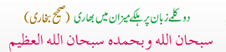
موطا امام مالك رواية يحييٰ
Muwatta Imam Malik Riwayat Yahya
كِتَابُ الْبُيُوعِ
Book: On the Rulings of Buying and Selling
بَابُ جَامِعِ بَيْعِ الطَّعَامِ
Comprehensive Chapter on Sale of Food
Hadith Number: 1356
حدثني يحيى، عن مالك، عن محمد بن عبد الله بن ابي مريم، انه سال سعيد بن المسيب، فقال: إني رجل ابتاع الطعام يكون من الصكوك بالجار، فربما ابتعت منه بدينار ونصف درهم، فاعطى بالنصف طعاما؟ فقال سعيد: " لا، ولكن اعط انت درهما وخذ بقيته طعاما"
Muhammad bin Abdullah bin Maryam asked Sa'id bin al-Musayyib: I buy grain from a neighbor, sometimes I buy it for one dinar and half a dirham. Should I give grain in exchange for the half dirham? Sa'id said: No, rather give one dirham, and for whatever remains, take grain in exchange for that as well.
تخریج الحدیث:

Hadith Number: 1357
وحدثني، عن مالك، انه بلغه، ان محمد بن سيرين، كان يقول: " لا تبيعوا الحب في سنبله حتى يبيض" .
Muhammad bin Sirin used to say: Do not sell grains in the ear until they are ripe.
تخریج الحدیث:
Hadith Number: 1357B1
قال مالك: من اشترى طعاما بسعر معلوم إلى اجل مسمى، فلما حل الاجل، قال الذي عليه الطعام لصاحبه: ليس عندي طعام، فبعني الطعام الذي لك علي إلى اجل، فيقول صاحب الطعام: هذا لا يصلح لانه قد نهى رسول اللٰه صلى الله عليه وسلم عن بيع الطعام حتى يستوفى، فيقول الذي عليه الطعام لغريمه: فبعني طعاما إلى اجل حتى اقضيكه، فهذا لا يصلح لانه إنما يعطيه طعاما ثم يرده إليه فيصير الذهب الذي اعطاه ثمن الطعام الذي كان له عليه، ويصير الطعام الذي اعطاه محللا فيما بينهما، ويكون ذلك إذا فعلاه بيع الطعام قبل ان يستوفى.
_x000D_
_x000D_
Imam Malik, may Allah have mercy on him, said that if a person buys grain at a fixed price for a specified term, and when the term is completed, the one who owes the grain says: I do not have the grain, sell me the grain that I owe you for the same term. That person says: This is not permissible because the Messenger of Allah, peace and blessings be upon him, forbade selling grain until it comes into possession. If the one who owes the grain says: Fine, then sell me some other grain for the same term, so that I may hand over that grain to you, then this is also not correct, because that person will give the grain and take it back, and the price that the seller gives to the buyer will in fact be the buyer’s own money which he gave to the seller, and this grain will be a means to make it lawful in between, so it will be as if the sale of grain has taken place before possession.
تخریج الحدیث:
Hadith Number: 1357B2
قال مالك: في رجل له على رجل طعام ابتاعه منه، ولغريمه على رجل طعام مثل ذلك الطعام، فقال الذي عليه الطعام لغريمه: احيلك على غريم لي، عليه مثل الطعام الذي لك علي بطعامك الذي لك علي، قال مالك: إن كان الذي عليه الطعام إنما هو طعام ابتاعه، فاراد ان يحيل غريمه بطعام ابتاعه، فإن ذلك لا يصلح، وذلك بيع الطعام قبل ان يستوفى، فإن كان الطعام سلفا حالا، فلا باس ان يحيل به غريمه، لان ذلك ليس ببيع.
Imam Malik, may Allah have mercy on him, said that Zaid bought grain from Amr. Amr’s grain was with Bakr. So Amr said to Zaid: The amount of grain you have bought from me is the same amount of grain that I have with Bakr. I will arrange for you to meet Bakr, so take it from him. If Amr sold the grain to Zaid in this manner, then this transfer is not valid, because the sale of grain becomes binding before possession. But if Amr had made a salam (forward sale) with Zaid and, upon the expiry of the term, transferred the grain to Bakr, then it is valid, because this is not a sale.
تخریج الحدیث:
Hadith Number: 1357B3
قال مالك: ولا يحل بيع الطعام قبل ان يستوفى لنهي رسول اللٰه صلى الله عليه وسلم عن ذلك، غير ان اهل العلم قد اجتمعوا على انه لا باس بالشرك والتولية والإقالة في الطعام وغيره.
_x000D_
_x000D_
Imam Malik, may Allah have mercy on him, said that the sale of grain before taking possession is prohibited, but the people of knowledge have consensus that partnership, tawliyah, and iqalah are permissible in grain and similar things.
تخریج الحدیث:
Hadith Number: 1357B4
قال مالك: وذلك ان اهل العلم انزلوه على وجه المعروف، ولم ينزلوه على وجه البيع، وذلك مثل الرجل يسلف الدراهم النقص، فيقضى دراهم وازنة فيها فضل، فيحل له ذلك، ويجوز ولو اشترى منه دراهم نقصا بوازنة، لم يحل ذلك، ولو اشترط عليه حين اسلفه وازنة، وإنما اعطاه نقصا لم يحل له ذلك.
Imam Malik, may Allah have mercy on him, said that this is because the people of knowledge have considered custom and practice in these matters, and have not regarded them like a sale. An example of this is that if a person gives deficient, underweight coins, and then the recipient gives him full-weight coins in return, this is permissible. However, the sale of deficient coins in exchange for full-weight coins is not permissible. If, at the time of making the salam contract, the person stipulated to give deficient, underweight coins and receive full-weight coins, then it will not be valid.
تخریج الحدیث:
Hadith Number: 1357B5
قال مالك: ومما يشبه ذلك ان رسول اللٰه صلى الله عليه وسلم نهى عن بيع المزابنة، وارخص في بيع العرايا بخرصها من التمر، وإنما فرق بين ذلك ان بيع المزابنة بيع على وجه المكايسة، والتجارة، وان بيع العرايا على وجه المعروف لا مكايسة فيه.
Imam Malik, may Allah have mercy on him, said that its example is also that the Messenger of Allah, peace and blessings be upon him, forbade muzabana and permitted araya. The reason is that the matter of muzabana is done as a trade and with cleverness, while araya is done as a favor and kindness.
تخریج الحدیث:
Hadith Number: 1357B6
قال مالك: ولا ينبغي ان يشتري رجل طعاما بربع او ثلث او كسر من درهم. على ان يعطى بذلك طعاما إلى اجل. ولا باس ان يبتاع الرجل طعاما بكسر من درهم إلى اجل، ثم يعطى درهما وياخذ بما بقي له من درهمه سلعة من السلع. انه اعطى الكسر الذي عليه، فضة. واخذ ببقية درهمه سلعة، فهذا لا باس به.
Imam Malik, may Allah have mercy on him, said that it is not permissible to buy grain in exchange for a quarter or a third of a dirham or any other fraction on the condition that he will give grain in return for that quarter, third, or fraction, based on a promise. However, there is no objection if he buys grain in exchange for a quarter or a third of a dirham or any fraction, based on a promise, and when the promise is fulfilled, he hands over one dirham and, in exchange for the remainder, buys something else and takes it.
تخریج الحدیث:
Hadith Number: 1357B7
قال مالك: ولا باس ان يضع الرجل عند الرجل درهما، ثم ياخذ منه بربع او بثلث او بكسر معلوم سلعة معلومة، فإذا لم يكن في ذلك سعر معلوم، وقال الرجل: آخذ منك بسعر كل يوم، فهذا لا يحل لانه غرر يقل مرة، ويكثر مرة، ولم يفترقا على بيع معلوم.
Imam Malik, may Allah have mercy on him, said that there is nothing wrong if someone deposits a dirham with another person and then buys something in exchange for a third, a fourth, or a fraction, when the rate of fractions is fixed. If the rate is not fixed and he says that he will take according to the rate of each day, then it is not correct, because there is deception in it; sometimes the rate increases and sometimes it decreases.
تخریج الحدیث:
Hadith Number: 1357B8
قال مالك: ومن باع طعاما جزافا ولم يستثن منه شيئا، ثم بدا له ان يشتري منه شيئا، فإنه لا يصلح له ان يشتري منه شيئا، إلا ما كان يجوز له ان يستثني منه، وذلك الثلث فما دونه، فإن زاد على الثلث، صار ذلك إلى المزابنة، وإلى ما يكره، فلا ينبغي له ان يشتري منه شيئا إلا ما كان يجوز له ان يستثني منه، ولا يجوز له ان يستثني منه إلا الثلث، فما دونه.
قال مالك: وهذا الامر الذي لا اختلاف فيه عندنا.
قال مالك: وهذا الامر الذي لا اختلاف فيه عندنا.
Imam Malik, may Allah have mercy on him, said that if a person piles up grain and sells it without making any exception from it, and afterwards wishes to buy some of it back, he may only buy as much as is permissible to be excepted, that is, up to a third or less than a third. If it is more than a third, then it will be disliked like muzabana (a prohibited sale).
Imam Malik, may Allah have mercy on him, said that in our view there is no difference of opinion regarding this ruling.
Imam Malik, may Allah have mercy on him, said that in our view there is no difference of opinion regarding this ruling.
تخریج الحدیث: