
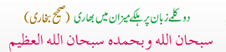
صحيح ابن خزيمه
Sahih Ibn Khuzaymah
جُمَّاعُ أَبْوَابِ الْوُضُوءِ وَسُنَنِهِ
Chapters on Wudu and its Sunnahs
( 124) بَابُ ذِكْرِ الدَّلِيلِ عَلَى أَنَّ الْكَعْبَيْنِ اللَّذَيْنِ أُمِرَ الْمُتَوَضِّئُ بِغَسْلِ الرِّجْلَيْنِ إِلَيْهِمَا الْعَظْمَانِ النَّاتِئَانِ فِي جَانِبَيِ الْقَدَمِ لَا الْعَظْمُ الصَّغِيرُ النَّاتِئُ عَلَى ظَهْرِ الْقَدَمِ، عَلَى مَا يَتَوَهَّمُهُ مَنْ يَتَحَذْلَقُ مِمَّنْ لَا يَفْهَمُ الْعِلْمَ، وَلَا لُغَةَ الْعَرَبِ.
Chapter 124: Evidence that the ankles to be washed are the protruding bones on the sides of the foot, not the small bone on top
Hadith Number: 158
نا يونس بن عبد الاعلى الصدفي ، نا ابن وهب ، اخبرني يونس ، عن ابن شهاب ، عن عطاء بن يزيد اخبره، ان حمران اخبره، ان عثمان دعا يوما وضوءا، فذكر الحديث في صفة وضوء النبي صلى الله عليه وسلم، وقال:" ثم غسل رجله اليمنى إلى الكعبين ثلاث مرات، واليسرى مثل ذلك" . قال ابو بكر: في هذا الخبر دلالة على ان الكعبين هما العظمان الناتئان في جانبي القدم، إذ لو كان العظم الناتئ على ظهر القدم، لكان للرجل اليمنى كعب واحد لا كعبان
Hazrat Humran (may Allah have mercy on him) narrates that one day Sayyiduna Uthman (may Allah be pleased with him) asked for water, then he narrated the hadith regarding the method of ablution of the Prophet (peace be upon him), and said that then he washed his right foot up to both ankles three times, and washed his left foot in the same way. Imam Abu Bakr (may Allah have mercy on him) says that this hadith is evidence that the ankles are the two protruding bones on both sides of the foot, because if by "ankle" was meant the bone protruding on top of the foot, then the right foot would have only one ankle, not two.
تخریج الحدیث:

Hadith Number: 159
نا ابو عمار ، نا الفضل بن موسى ، عن زيد بن زياد هو ابن ابي الجعد ، عن جامع بن شداد ، عن طارق المحاربي ، قال: رايت رسول الله صلى الله عليه وسلم مر في سوق ذي المجاز، وعليه حلة حمراء، وهو يقول:" يايها الناس، قولوا: لا إله إلا الله تفلحوا" ، ورجل يتبعه يرميه بالحجارة قد ادمى كعبيه وعرقوبيه، وهو يقول: يايها الناس، لا تطيعوه فإنه كذاب، فقلت: من هذا؟ قالوا: غلام بني عبد المطلب، فقلت: من هذا الذي يتبعه يرميه بالحجارة؟ قالوا: هذا عبد العزى ابو لهب. قال ابو بكر: وفي هذا الخبر دلالة ايضا على ان الكعب هو العظم الناتئ في جانبي القدم، إذ الرمية إذا جاءت من وراء الماشي لا تكاد تصيب القدم، إذ الساق مانع ان تصيب الرمية ظهر القدم
Sayyiduna Tariq Muharibi (may Allah be pleased with him) narrates that I saw the Messenger of Allah (peace and blessings be upon him), he (peace be upon him) passed through the market of Dhul-Majaz and he (peace be upon him) was wearing a red garment. And he (peace be upon him) was saying, "O people, «لَا اِلٰه اِلَّا اللهُ» say, you will be successful." And a man was following behind him (peace be upon him) and was throwing stones at him (peace be upon him), and he made his (peace be upon him) ankles and heels bleed, and he was saying, "O people, do not obey him, for he is a great liar." I asked, "Who is this?" The people replied, "A boy from the family of Abdul Muttalib." I asked, "Who is the one following behind him and throwing stones at him?" They said, "This is Abdul Uzza, Abu Lahab." Imam Abu Bakr (may Allah have mercy on him) says that in this hadith too there is evidence that the ankle refers to the protruding bone on both sides of the foot, because the one throwing stones came from behind, so it does not hit the foot, because the shin (from behind) prevents a thrown object from hitting the foot.
تخریج الحدیث:
Hadith Number: 160
نا سلم بن جنادة ، نا وكيع ، عن زكريا بن ابي زائدة ، حدثنا ابو القاسم الجدلي ، قال: سمعت النعمان بن بشير . ح وحدثنا هارون بن إسحاق ، حدثنا ابن ابي غنية ، عن زكريا ، عن ابي القاسم الجدلي ، قال: سمعت النعمان بن بشير ، يقول: اقبل علينا رسول الله صلى الله عليه وسلم بوجهه، فقال: " اقيموا صفوفكم، ثلاثا، والله لتقيمن صفوفكم او ليخالفن الله بين قلوبكم" ، قال: فرايت الرجل يكون كعبه بكعب صاحبه، وركبته بركبة صاحبه، ومنكبه بمنكب صاحبه. هذا لفظ حديث وكيع. قال ابو بكر: ابو القاسم الجدلي هذا هو حسين بن الحارث من جديلة قيس، روى عنه زكريا بن ابي زائدة، وابو مالك الاشجعي، وحجاج بن ارطاة، وعطاء بن السائب، عداده في الكوفيين، وفي هذا الخبر ما نفى الشك والارتياب ان الكعب هو العظم الناتئ الذي في جانب القدم، الذي يمكن القائم في الصلاة ان يلزقه بكعب من هو قائم إلى جنبه في الصلاة، والعلم محيط عند من ركب فيه العقل ان المصلين إذا قاموا في الصف، لم يمكن احد منهم إلصاق ظهر قدمه بظهر قدم غيره، وهذا غير ممكن، وما كونه غير ممكن لم يتوهم عاقل كونه
Sayyiduna Nu’man bin Bashir (may Allah be pleased with him) narrates that the Messenger of Allah (peace and blessings be upon him) turned his blessed face towards us and said:“Straighten your rows.”He said it three times:“By Allah, you must straighten your rows, otherwise Allah will create discord among your hearts.”(Nu’man says) that (in compliance with his command) I saw that a man’s ankle would be touching his companion’s ankle, his knee with his companion’s knee, and his shoulder with his companion’s shoulder. These are the words of Waki’s narration. Imam Abu Bakr (may Allah have mercy on him) says that this was narrated by Abu Qasim, Husayn bin Hajjaj bin Arta’ah of the Qais tribe, and ‘Ata bin Sa’ib. Abu Qasim is counted among the Kufan narrators. In this hadith, there is such evidence that removes all doubt and suspicion that the ankle is the protruding bone on the side of the foot, which the one praying can join with the ankle of the person standing next to him in prayer. Among intelligent people, it is accepted that when worshippers stand in a row, it is not possible for any of them to join the upper part of his foot with the upper part of another person’s foot; this is impossible. Therefore, what is impossible, an intelligent person does not consider it possible.
تخریج الحدیث: